
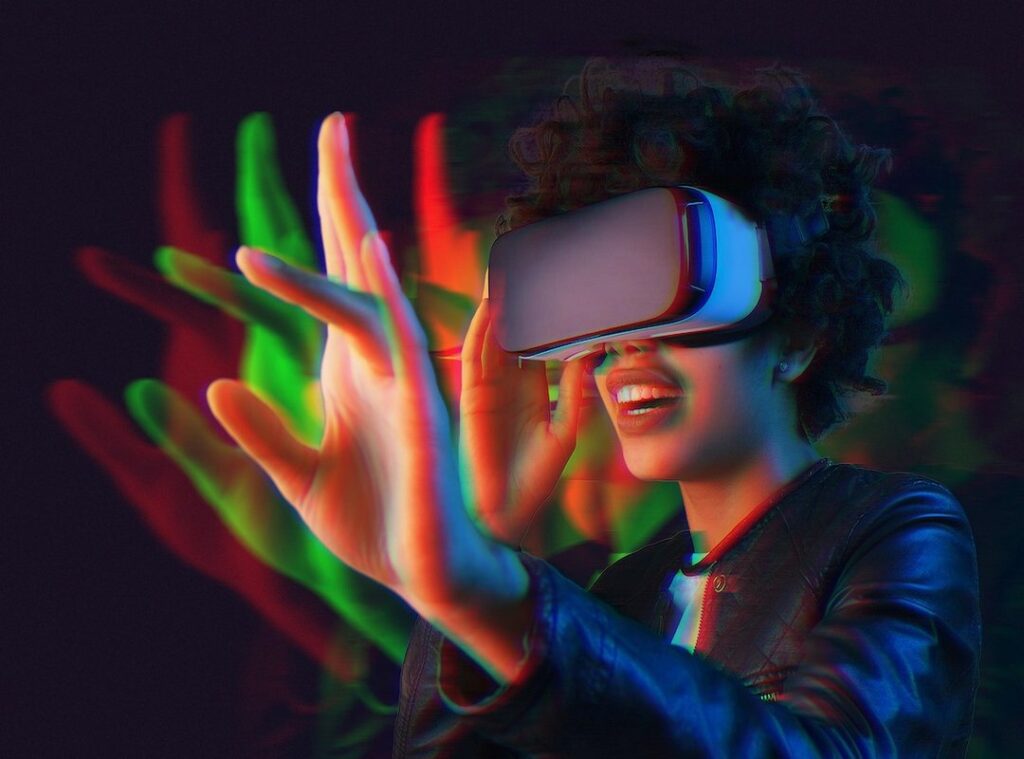
The ‘metaverse’ feels like a buzzword that’s been floating around forever, right? We’ve heard promises about these amazing virtual worlds, yet where are the real, tangible experiences? This article isn’t another hype piece.
We’re diving into the future virtual reality. Not just games or social spaces, but the actual technological shifts that will redefine our digital interactions. Ever wonder how network architecture or smart device integration plays a role?
We’re breaking it down. This isn’t just about what’s shiny and new; it’s about understanding the mechanics that will truly make these experiences immersive. By the end, you’ll know what’s on the horizon and why it matters.
Trust me, cutting through the noise is what we’re all about here. Ready to see what’s next? Let’s get started.
Redefining Reality: From Games to Digital Life
We’re stepping into an age where the future virtual reality isn’t just about gaming. It’s about a shift from isolated virtual games to immersive digital environments that change how we live and work. Does this sound like sci-fi?
Maybe. But it’s happening.
Professional training is a biggie. Imagine surgeons honing their skills in a virtual OR (operating room). They can practice without risks.
Pilots train in simulators. Why shouldn’t doctors, right? Long gone are the days of just reading textbooks or watching videos.
Then there’s collaborative design. Architects and engineers can now meet in virtual spaces. You could be in New York and your partner in Tokyo, both walking through a 1:1 scale model of a building.
This tech lets them tweak designs in real-time. It’s as if they’re physically there, together.
Social wellness is also getting a boost. Virtual spaces now host guided meditation and therapy sessions. Think about the potential for mental health.
These curated virtual environments can offer calm in a chaotic world.
Oh, and while we dive into this virtual evolution, let’s not ignore the importance of cybersecurity risks mitigation strategies. With this new tech, keeping data safe is key.
The reality? Virtual reality is more than entertainment. It’s reshaping our lives.
And we’re just getting started.
Immersive Tech: Shaping Tomorrow’s Reality
Let’s cut to the chase. The future of immersion hinges on a few key innovations. First up, advancements in haptics.
We’re talking beyond simple buzz. Full-body suits and sophisticated controllers are upping the game, simulating textures, temperatures, even impacts. Imagine feeling rain while gaming or the heat from a virtual sun.
It’s not just cool; it’s a game-changer for immersive experiences.
Now, photorealistic rendering and AI. Real-time ray tracing and generative AI are crafting worlds that don’t just look real (they) react. The environments we’re stepping into aren’t static backdrops.
They evolve, adapt, and respond. It’s the kind of detail that makes you forget you’re in a virtual space. Check out future virtual reality if you’re skeptical.
Network infrastructure (often) overlooked, but non-negotiable. Without low-latency networks like 5G and edge computing, smooth experiences simply won’t exist. If you want untethered, multi-user immersion, the backbone must keep up.
Can’t have your digital reality glitching out mid-adventure, right?
Don’t skip over foveated rendering and eye-tracking either. These technologies make sure you get ultra-high-fidelity graphics without the heavy lifting on your device. More realism, less processing power.
It’s about efficiency and user experience. Why settle for anything less?
In short, these technologies aren’t just shaping the future virtual reality space; they’re defining it. The tech isn’t just about enhancing visuals or gameplay. It’s crafting a new tier of reality where immersion is total. the real magic happens.
On the Horizon: Virtual Platforms Redefining Reality
Let’s cut through the buzz and look at the future virtual reality. What’s really happening? It’s not just about cool gadgets.

It’s about creating experiences that blow our minds.
First up, large-scale synchronous events. Imagine a concert with thousands of people, all in one virtual space. Sounds chaotic, right?
The tech behind this is wild (and frankly, a bit stressful). Handling server loads and rendering avatars in real-time is no joke. But developers are cracking it, making these events smoother and more immersive.
Pro tip: Keep an eye on platforms like Fortnite’s virtual concerts. They’re leading the pack.
Next, AI-driven narrative worlds. This is where it gets personal. These platforms let you shape stories in real-time.
Forget pre-scripted game narratives. Here, your decisions change the story, right down to the characters’ reactions. It’s like having a conversation with a world that listens and responds.
Advanced language models make this possible. And yes, it’s as cool as it sounds.
Then there’s hyper-realistic digital twins. Think of them as virtual replicas of real-world locations. They’re not just for gaming.
They’re used in industries to manage workflows and in cities for planning. Want to explore a historical site without leaving your couch? Digital twins can do that.
They’re practical, keeping data fresh and preserving cultural sites.
Curious about how these platforms fit into workplaces? Dive into how the ai role modern workplaces is evolving. It’s a game-changer.
In short, these platforms aren’t just concepts. They’re shaping how we interact with the world. Whether for entertainment or industry, they’re here to stay.
And let’s be honest, who wouldn’t want to be part of a future that sounds this exciting?
Unlocking Immersion: The Gateway Devices
When you think about the future virtual reality, it’s all about the hardware. Sure, software is key (oops, didn’t mean to say key), but the real magic happens when you connect the right devices. We’re seeing a shift towards lighter, more solid headsets.
These aren’t your clunky setups from the past. Think high-resolution passthrough for mixed reality. It’s smooth.
What’s fascinating is the convergence of AR and VR. We’re heading to a point where you won’t have to pick between augmenting the real world and diving into a virtual one. Imagine wearing a single device that does both.
Why choose when you can have it all?
And let’s talk input methods. Controllers are old news. Hand-tracking is stepping up.
Eye-tracking for navigation? Yes, please. Voice commands are evolving too.
Picture this: navigating a virtual world just by looking or speaking. It’s happening now.
Looking ahead, brain-computer interfaces (BCIs) could be the next big thing. Imagine controlling your virtual world with a thought. Sounds like sci-fi, right?
But it’s not as far off as you think. It’s the ultimate goal for smooth interaction.
Pro tip: Keep an eye on these developments if you’re into tech. The future isn’t just about what’s on your screen; it’s about how you experience it. Whether you’re a gamer or just curious, the evolution of these gateway devices is something to watch closely.
They’re not just gadgets. They’re the next step in experiencing reality itself.
Doesn’t that get you excited?
Step Into Tomorrow’s Reality
Are you ready for the future virtual reality? It’s not just about gaming anymore. New ways to work, learn, and connect are on the horizon.
The fusion of advanced hardware and intelligent software is leveling up how we interact with the world. You’re now armed with the knowledge to spot true innovation in this space. But don’t stop here.
Stay informed. These tech developments are the real signs of what’s coming. Keep checking in with the experts at foxtpax.com.
They lead the way with innovation alerts and takeaways. Want to stay ahead? Dive in, explore, and embrace the change.