
Imagine your home or office. It’s packed with smart gadgets: TVs, cameras, even your fridge is online. But are they safe?
See, here’s the problem. Traditional antivirus software was meant for the old world, a time when threats were simpler. Less cunning.
Now, we face AI-driven threats that don’t care about your outdated security measures.
Here’s where I come in. This article will pull back the curtain on smart device security. I’ll show you a proactive, adaptive approach that keeps up with these new threats.
You want a clear understanding, right? I’ll give you that. By the time you finish reading, you’ll know what to look for in smart device security, why it’s key, and how it fits into your digital future.
Trust me, I know this field inside out.
Why Legacy Security Models Are Obsolete
Signature-based detection is like trying to catch a criminal by only looking for known faces. It’s outdated. Why?
Because it can’t handle zero-day attacks or polymorphic malware. These threats change their appearance faster than a chameleon in a paint store, making old-school methods futile.
The Internet of Things (IoT) is a whole other mess. You’ve got smart cameras with weak default passwords and smart home hubs that rarely get firmware updates. It’s like leaving your front door unlocked and hoping no one notices.
Each smart device adds complexity and risk. It’s a new kind of security nightmare.
Ever heard of the “attack surface”? It’s the sum of all the ways a hacker can get in. Add a device and you add another door to your digital castle.
And if you’re only guarding the main gate, well, good luck. This device-by-device approach is a losing battle.
Smart device security isn’t just a buzzword. It’s a necessity. We can’t keep using outdated models and expect them to work.
That’s insanity. This is where the future lies: in new methods, not old ones.
Speaking of future, consider how smart devices are shaping our homes. The smart speakers future home automation is a perfect example. These devices are revolutionizing how we live, but they also require a new security mindset.
We need to rethink our approach entirely. Embrace innovation and focus on security models that actually work. Otherwise, we’re just guarding castles with hundreds of doors, hoping no one finds the ones left unprotected.
Inside Smart Device Security: Core Pillars Unveiled
Let’s talk intelligent device protection. It’s not a standalone software (it’s) a full, AI-powered security system. And it all begins with AI and behavioral analysis, the first pillar.
Machine learning algorithms set a baseline for what “normal” looks like on your device. Deviate from that, and they flag those anomalies in real-time. No waiting around for a known virus signature.
A real-life example? Imagine your smart fridge suddenly trying to access sensitive files on your laptop. Weird, right?
The system catches that because it knows your fridge isn’t supposed to behave that way.
Moving on to proactive threat hunting. This isn’t your run-of-the-mill scan. We’re talking about intelligent systems actively searching for indicators of compromise across the entire network.
It’s not just waiting for a threat to announce itself. Think of it like having a guard dog that doesn’t just bark at intruders but sniffs them out from a mile away.
And let’s not forget network-level visibility and control. This one’s key. The system monitors traffic between devices.
Not just what’s coming in and out but between your gadgets themselves. For instance, stopping a compromised smart TV from poking around your laptop’s data. It’s a game-changer for home networks.
Last but not least, automated response. This is where the magic happens without human intervention. As soon as something suspicious appears, the system quarantines the device.
It’s like having a bouncer at your digital door who instantly isolates troublemakers. No questions asked.
If you’re all about boosting your be safer with smart devices measures, understanding these pillars is a must. They show how smart device security isn’t just about protecting one device at a time. It’s about securing your entire digital environment in real-time.
And honestly, I think that’s the future we should all be gearing toward.
Mastering Security: Key Features of Modern Protection Systems
I remember when I first set up my smart home. It was chaos. Every device seemed to have a mind of its own.

But then I discovered the power of unified management. Imagine having a single dashboard where you can monitor every smart device in your home. From your phone to your smart thermostat, everything is in one place.
This feature is a game changer. You’re no longer jumping between apps to see if your smart speaker is playing nice with your smart lights. It’s all there, and it makes managing your home’s security a breeze.
Now, let’s talk about something even more practical: real-time anomaly alerts. You don’t want to be in the dark about what’s happening with your devices. I mean, who wants to decipher cryptic error codes?
Instead, you need alerts that speak human. Think “Your smart speaker is attempting to access an unusual server.” Simple. Clear.
Actionable.
Then there’s full vulnerability scanning. This is like having a security expert living in your router. The system automatically scans for outdated software, open ports, and weak passwords.
And it doesn’t just leave you hanging. It gives you a clear path to fix them. It’s smart device security at its finest.
Ever heard of intelligent network segmentation? It’s not as scary as it sounds. This feature creates ‘virtual’ zones in your network.
It isolates less-secure devices (like that cheap smart plug) from key ones like your work computer. It’s a lifesaver. If something goes wrong, the damage is contained.
If you’re keen to keep up with emerging features smart home devices, these are important tools. They turn overwhelming theory into actionable steps, making your smart home truly smart and secure. Pro tip: always stay updated.
You never know when the next big feature will drop.
The Horizon of Connected Security: What’s Next?
Edge computing is where the magic happens. Why wait for the cloud when you can have instant threat analysis right on your device? It’s like having a personal bodyguard who never sleeps.
Faster responses, less latency. That’s smart device security at its finest. But let’s not stop there.
Predictive security analytics is the next big thing. Imagine AI predicting attacks before they happen. Sounds like sci-fi, right?
But it’s happening. Networks are learning to see threats coming, like a chess player anticipating moves. It’s about staying a step ahead.
And then, there are self-healing networks. These systems don’t just stop threats. They learn, adapt, and fix themselves.
Picture a system that quarantines a threat, reconfigures its defenses, and patches vulnerabilities. It’s like having an immune system for your network.
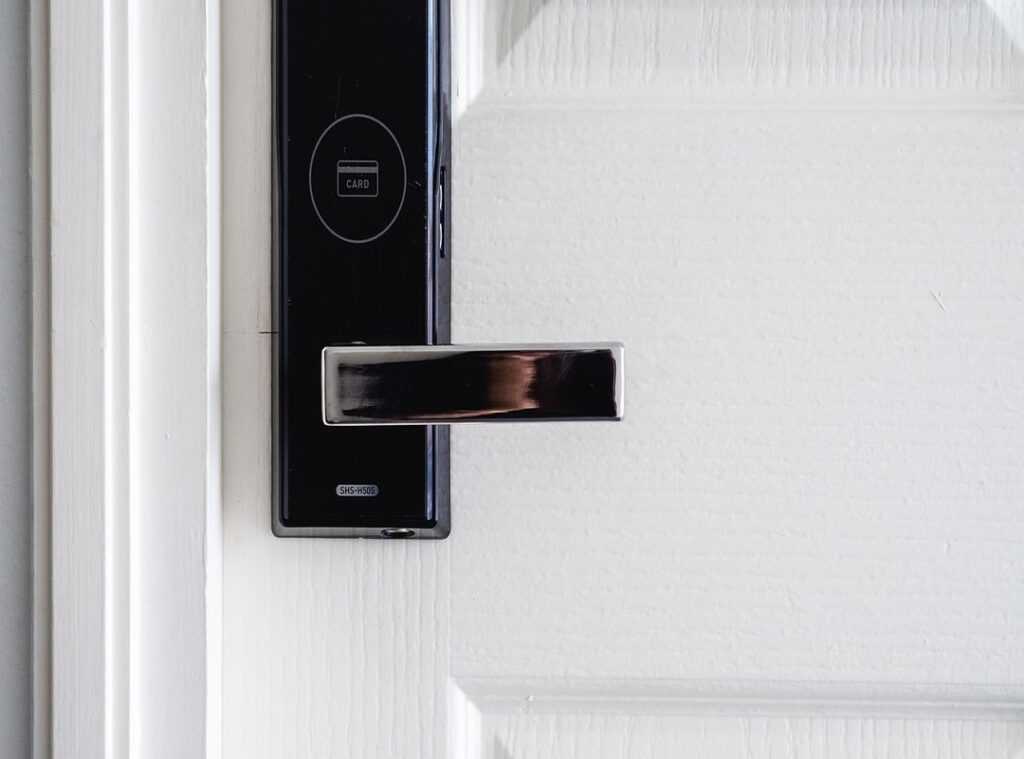
Digital and physical security are merging too. Think hacked cameras and smart locks. Intelligent systems detecting these breaches before they become disasters.
It’s a complete approach, blending tech with everyday life. It’s not just about protection anymore. It’s about anticipation and resilience.
This is the future of connected security. Not just reactive but proactive and smart. Ready for what’s next?
Because it’s coming, and it’s coming fast.
Take Control of Your Security Plan
Security isn’t just a reaction anymore. It’s smart, proactive, and it covers your whole digital world. But here’s the problem: more devices mean more risks.
You’re facing a web of vulnerabilities that demand something smarter. smart device security comes in. It learns, adapts, and protects everything, not just isolated endpoints. Ready to build a tougher digital environment?
Dive into advanced takeaways on secure network architecture and smart tech at foxtpax.com. It’s time to rethink your approach. Don’t wait for a breach to force your hand.
Start exploring new solutions today. You’ll thank yourself later.