
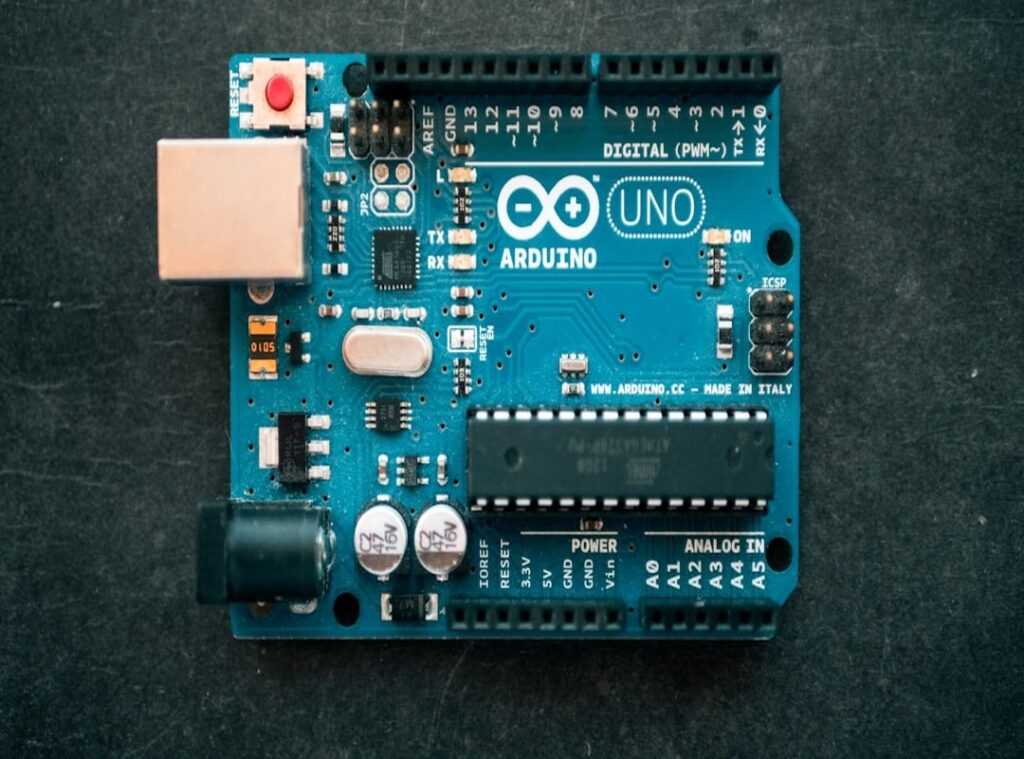
Everywhere you look, tens of billions of devices are connecting, and the number keeps soaring. But what does that mean for us? The term “IoT” gets thrown around like confetti, yet many professionals find it baffling.
It’s like standing in a tech tornado, unsure of which way to turn. I’ve spent years dissecting network architectures and smart ecosystems, so trust me, understanding the IoT introduction basics is key.
You need a guide that cuts through the jargon and lays down the essentials clearly. That’s what you’ll find here. We’ll cover the core components and real-world applications, making the complex simple.
The first step to innovation and efficiency is grasping these fundamentals. Ready to dig in? Let’s demystify IoT together.
What is IoT? Beyond the Smart Toaster
Ever wonder why your fridge is talking to your phone? That’s IoT in action. The Internet of Things (IoT) is a network of physical objects outfitted with sensors and software, exchanging data over the internet.
It’s like giving the physical world a digital nervous system. Sounds futuristic, right?
Let’s break this down. Traditional internet connects humans to computers. IoT, however, is all about machine-to-machine (M2M) communication.
Think of it as devices chatting behind our backs. The goal isn’t just to connect things for the heck of it. It’s about gathering data, generating takeaways, and automating actions without us lifting a finger.
Why do we need this? Well, imagine your thermostat adjusting itself based on weather forecasts or your coffee maker starting right as your alarm goes off. It’s not just cool; it’s practical.
The real magic of IoT is in how it evolves. We started with simple M2M setups, and now we’re seeing vast, intelligent ecosystems. It’s like watching a toddler grow into a tech-savvy teenager.
Here’s the kicker: IoT is becoming important to modern tech infrastructure. It’s not just about convenience; it’s about efficiency and innovation. This transformation is not unlike understanding blockchain in simple terms, where complex concepts become accessible and impactful.
So, why should you care about these IoT introduction basics? Because it’s reshaping how we interact with the world. Ready or not, IoT is here to stay.
What’s next? Maybe your toaster will start giving life advice. Now that would be something.
The Four Pillars: Anatomy of an IoT System
When diving into IoT, you’re meeting the anatomy of a new tech species. Think of it as an space where each part plays a unique role. Here’s how I break it down.
Sensors & Actuators: The Senses and Muscles
In any solid IoT setup, sensors and actuators are like the body’s limbs. Sensors grab real-world data. Temperature, motion, light, you name it.
Your smart thermostat? It uses temperature sensors. The Fitbit?
Motion sensors. Actuators, on the other hand, do the heavy lifting. They turn on your lights or open up your smart door.
It’s all about translating data into action.
Connectivity: The Communication Network
How does your device tell the cloud what’s up? Connectivity is the answer. Options abound: Wi-Fi, Bluetooth, Cellular (4G/5G), and LPWAN.
Each has its charm, dictated by your specific needs. Wi-Fi is perfect for high-bandwidth, short-range tasks. LPWAN suits low-power, long-range needs.
Choosing the right option is key.
Data Processing: The Brain
Once data is collected, the real magic begins. Data processing is the brain of IoT. There’s edge computing, where data is processed right on the device (quick, fast).
Then there’s cloud computing, where the data heads to a central hub for more power and storage. Edge is speedy. Cloud is solid.
What you pick depends on your priority.
User Interface: The Control Panel
How do you interact with your IoT setup? A slick user interface makes it all click. Could be a mobile app, a web dashboard, or even Alexa.
The best UIs make complex data simple. They turn numbers into actionable takeaways. If you’re starting with IoT, check out introduction to internet of things to grasp the basics.
In this IoT introduction basics, these four elements form the core components. They’re important pieces that make sure an IoT system functions seamlessly. Without them, your smart setup is just a bunch of disconnected gadgets.
IoT Architecture: A Peek Under the Hood
to the architectural blueprint of IoT networks. I’m not talking about your usual IoT introduction basics. We’re going deeper, looking at how these systems are actually structured.
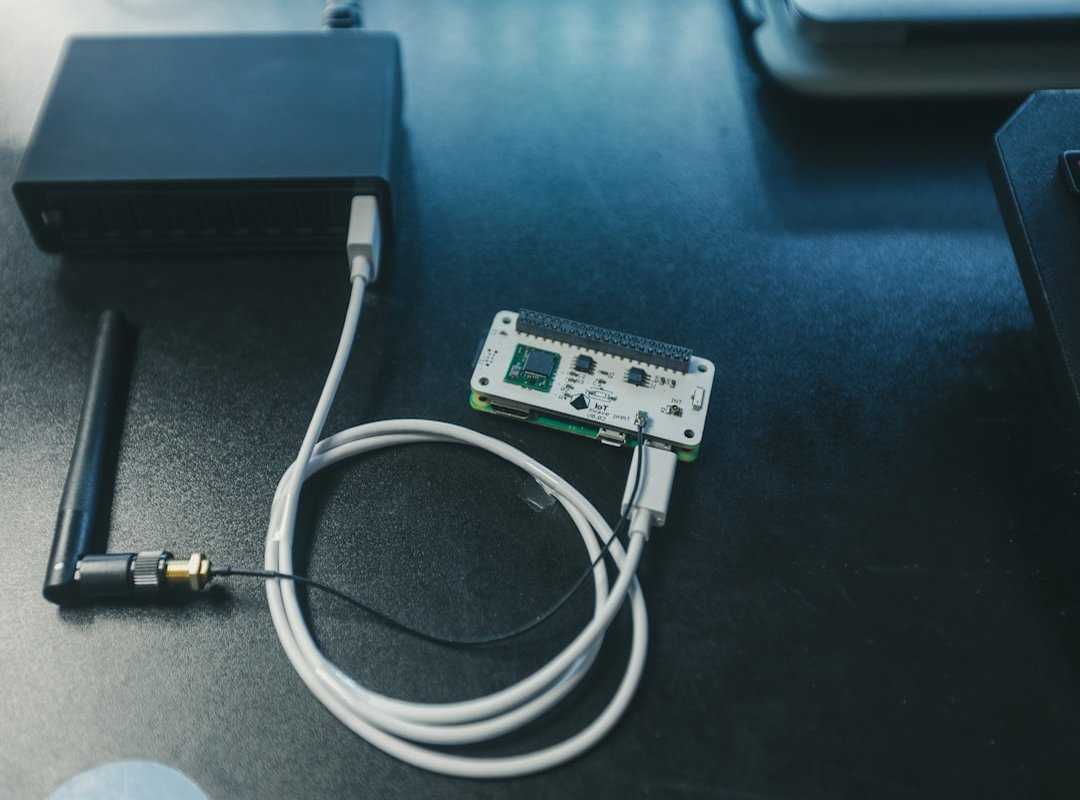
Ever wonder what makes your smart home tick or how industrial sensors communicate? It all starts with understanding the layered architecture.
The Perception Layer is where the magic begins. This is the physical layer. Think sensors and actuators.
Picture a Three-Layer Architecture: Perception, Network, and Application. Sounds simple, huh? But it’s a game-changer.
These devices interact directly with the environment, gathering data or performing actions. It’s like the senses of your IoT system.
Next, we have the Network Layer. This layer is key (no, really) for transmitting data from the perception layer to the processing system. This is where gateways and communication protocols come into play.
They’re the unsung heroes, ensuring that all that data gets where it needs to go. Without them, your IoT devices would just be fancy paperweights.
Finally, the Application Layer. This is what you, the end-user, actually see and interact with. Whether it’s a smart home app or an industrial monitoring dashboard, this layer delivers the goods.
It’s the interface between you and the IoT system, making all that complex data user-friendly.
Sure, there are more complex architectures out there, like five-layer models. But mastering this basic three-layer model is key to grasping how data flows. Want to learn more about the tech world?
Check out demystifying ai machine learning for more takeaways.
So, what do you think? Are you ready to look under the hood of your IoT devices and see how everything fits together? Understanding this architecture is your first step.
IoT in Action: Innovations Reshaping Our World
The Internet of Things (or IoT) is not just some buzzword. It’s changing the way we live, work, and even grow our food. Let’s cut through the fluff and see how it’s really used.
In factories, predictive maintenance is a game-changer. Sensors attached to machinery can detect strange vibrations. These vibrations signal possible failures.
You fix it before it breaks (no) more costly shutdowns.
Cities are getting smarter too. Ever been stuck in traffic and wished the lights would just change? Intelligent traffic systems do just that.
They adjust light timings through sensors and cameras. Less congestion, less pollution. Simple, right?
Now, let’s talk healthcare. The Internet of Medical Things (IoMT) is here. Wearables track vitals and ping your doctor if something’s off.
You’re getting care without leaving home. Convenient, yes?
And for farmers? IoT introduction basics include soil moisture sensors. They tell you when and where to water crops.
No more wasting water. Better yields, less effort.
Isn’t it fascinating how these innovations are reshaping industries? IoT is not just about connecting devices. It’s about making them work for us.
What’s next? The possibilities are endless.
Step Into Tomorrow’s Tech World
The Internet of Things isn’t just gadgets. It’s a structured space. I know technology’s complexity can feel like a barrier.
But with a solid grasp on the IoT introduction basics, you’re poised for real innovation. Components, connectivity, architecture (understand) these, and the future’s no longer a puzzle. Now’s your time to dive deeper.
Explore how these fundamentals drive the next wave of tech. Don’t just stand by. Visit foxtpax.com for takeaways and take control of your tech journey.
Ready to break through the noise and seize opportunities? Your next step is clear. Start now.