
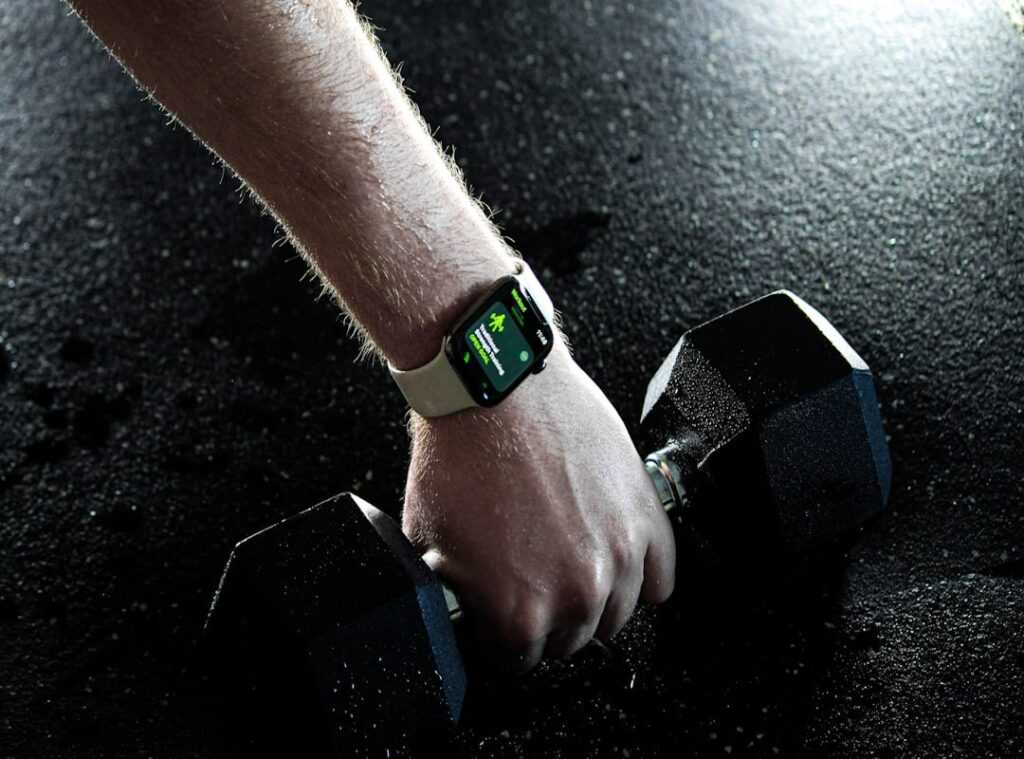
Ever stand in front of a mirror, determined to get healthier, yet clueless about where to start? That’s exactly where many of us find ourselves. We want to track our progress but are lost in the sea of options.
Enter the world of smartwatch features fitness. Let’s cut through the marketing fluff. What do these gadgets actually do for your health?
We’ve analyzed the latest in smart device advancements. Our focus is on practical innovation (not just flashy specs) to keep it real. You’ll get a simple, clear guide that explains how these small devices deliver big takeaways into your well-being.
Curious about heart health? Sleep quality? We’ve got you covered.
By the end of this, you’ll understand how to make these features work for you, truly transforming your health journey.
The Basics: Everyday Health Metrics You Trust
to the core sensors that form the backbone of all health tracking gizmos: the optical heart rate sensor and the accelerometer. Why do you care about these? They’re the reason your smartwatch knows when you’re chilling or when your heart’s racing like you’ve just watched a horror movie.
First up, the optical heart rate sensor. It’s like your car’s idle speed; it keeps tabs on your baseline heart rate 24/7. This means it knows what your heart does when you’re sitting on the couch.
But if your heart starts acting up (goes) too fast or too slow (you’ll) get a heads-up. It’s a game-changer for spotting patterns or potential health issues.
Now, stepping into activity tracking. This isn’t just about counting steps (although that’s a nice perk). Devices combine the accelerometer data with your speed to figure out if you’re on a Sunday stroll or doing a brisk walk.
It’s how they calculate these mysterious “Active Zone Minutes.” Ever heard of that? It’s basically a fancy way of saying, “Hey, you’re actually moving enough to count as exercise now.”
Then there’s calorie burn estimation, which feels like wizardry. Your smartwatch doesn’t just guess. It takes your heart rate, your activities, height, weight, and spits out a pretty accurate estimate of how much energy you’re burning through the day.
So you’re not just hoping you burned off that cupcake.
As advanced as these features are, they remind me how connected everything’s getting. It’s like Smart Speakers Future Home Automation (tech) just keeps getting more integrated into our lives in ways we used to only dream about. That’s just scratching the surface of smartwatch features fitness possibilities while keeping tabs on your body.
Fascinating, right?
Beyond the Basics: Decoding Advanced Sensors
Let’s cut to the chase. You’ve got a device on your wrist brimming with smartwatch features fitness. It’s like having a mini doctor, right?
I’m talking about those medical-grade features now popping up in consumer gadgets. It’s wild how far we’ve come.
Take the ECG, for instance. This isn’t just some fancy acronym. It stands for Electrocardiogram.
Basically, your watch creates a single-lead electrical circuit. Sounds complex, but it’s straightforward. It checks for signs of Atrial Fibrillation (Afib), a heart rhythm disorder.
Now, onto the Blood Oxygen sensor (SpO2 to its friends). This little wonder measures how much oxygen your blood’s carrying. It uses red and infrared light.
But don’t think it’s a hospital-grade ECG. It can’t detect a heart attack. So, keep that in mind before you panic over a reading.
Ever thought about how key oxygen is? We all know how important breathing is. This sensor can help spot breathing issues at night.
Or when you’re scaling that mountain on vacation and gasping for air. It’s not just a cool party trick; it’s genuinely useful.
And then there’s skin temperature sensing. This is a game-changer. It tracks nightly temperature changes from your baseline.
Noticed a spike? You might be running a fever. Or for women, it may offer takeaways into menstrual cycles.
Absolutely fascinating how it connects to our daily lives.
Why do you need all this tech? Because it’s a game of takeaways, of staying informed. We’ve got these tools.
Now it’s about using them to make smarter choices. Sensors give you a peek into your health (mini) lifestyle coaches on your wrist. Next time you see those readings, think about what they reveal.
Stay curious.
Track Your Well-being: Sleep, Stress, and More
Let’s talk about something that bugs me: relying just on physical metrics for health. It’s not enough. A smartwatch is more than a step counter (though that’s cool, too).

It’s a window into your complete well-being.
Sleep tracking is a game-changer. You know how smartwatches track your sleep? They use motion and heart rate data to estimate sleep stages like Light, Deep, and REM.
Each stage has its role. For example, REM sleep is where dreaming happens (and your brain processes memories). So a balance is key.
Stress monitoring? That’s another must-have. Smart devices measure Heart Rate Variability (HRV).
It’s the tiny differences in time between heartbeats. A higher HRV is generally a good thing because it means less stress. Think about it: who doesn’t want to feel less stressed?
Built-in mindfulness tools are another fantastic feature. Ever tried the guided breathing exercises or meditation timers on these devices? They use biofeedback from your heart rate to help you chill out.
You can calm down in real-time. It’s like having a meditation coach on your wrist.
Curious about how these features are evolving? Check out this guide to learn more about emerging features in smart home devices. It’s packed with takeaways.
So, what are you waiting for? Your well-being is more than numbers. It’s about understanding your body and mind.
Smartwatch features fitness is more than a trend; it’s a lifestyle.
The Future on Your Wrist: What’s Next for Smartwatch Health?
Ever thought about a world where your smartwatch tells you more than just steps and heart rate? We’re on the brink. The holy grail of non-invasive blood glucose monitoring is a game-changer.
Imagine managing diabetes without the constant finger pricks. But here’s the catch: it’s tough. The tech needs to measure glucose levels accurately through skin and sweat.
No easy task.
Hydration tracking is another frontier. Forget manual logging. Picture sensors analyzing sweat or using optical tech to give you real-time feedback.
It’s not just about drinking more water. It’s about knowing when your body needs it. How many times have you felt sluggish and realized you were dehydrated?
Too many.
Stress detection is evolving too. Enter cEDA, or continuous electrodermal activity sensors. They don’t just measure heart rate variability (HRV).
They dive deeper, detecting your body’s ‘fight-or-flight’ response. It’s more subtle. It’s like having a therapist on your wrist, constantly evaluating your stress levels.
Who wouldn’t want that?
And let’s talk AI. It’s not just a buzzword. It’s the brain synthesizing all this data into predictive, personalized health takeaways.
Think of it this way: your smartwatch features fitness that predicts your next headache or stress-induced snack binge. Sounds futuristic? It’s closer than you think.
These advancements mean smarter health decisions and ultimately, a healthier you. Are you ready for your wrist to become your health oracle? I know I am.
Make Your Health Data Count
Smartwatches aren’t just trendy gadgets. They’re solid tools. From tracking heart rate to monitoring sleep, the smartwatch features fitness focus transforms how you manage health.
Feeling lost in data overload? Understand what each metric means, and suddenly, confusion becomes clarity. You start making informed choices daily.
Why wait for illness to strike? Shift to proactive well-being. Identify your health goals.
Then explore devices tailored for those needs. Need proof? Just look at how lives change when people take control.
So, dive in. Discover the smartwatch that matches your lifestyle. Start taking charge of your health today.