
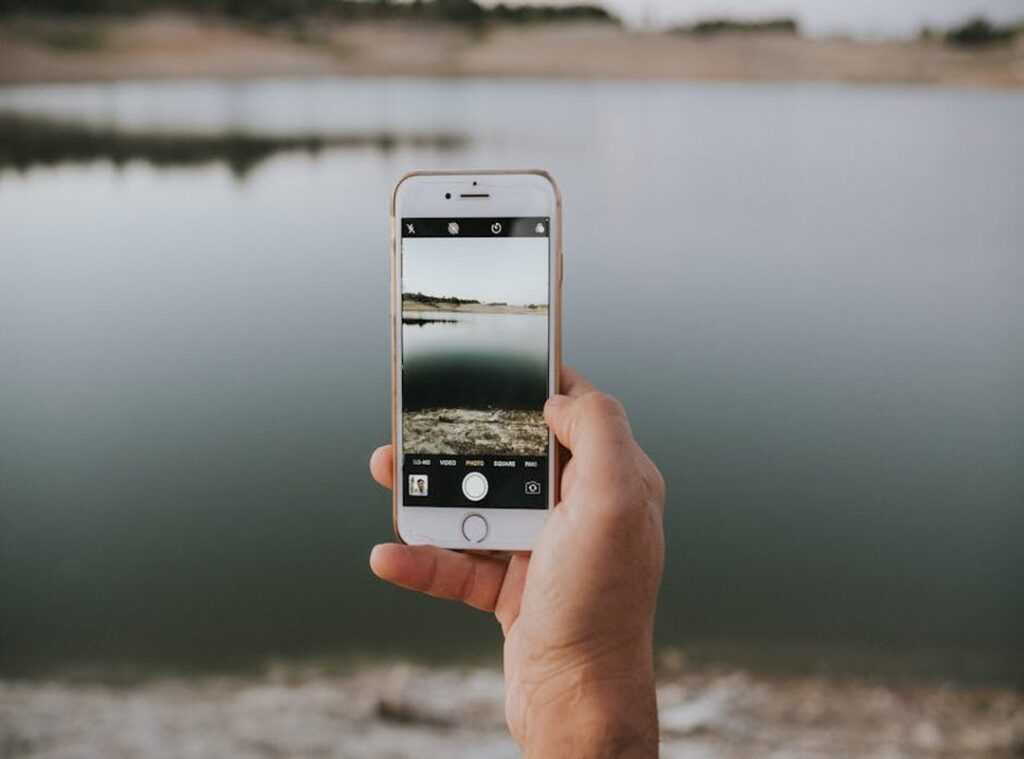
Your smartphone’s camera is probably the most important tool you carry every day. But does it really deliver the quality and versatility of a dedicated camera? I know you’re wondering, because I did too. Smartphone cameras photography has transformed how we capture moments, but how far can it go?
I’m not here to sugarcoat things. Sure, innovation is impressive, but is it enough? Can you trust that little lens to replace a DSLR?
There are passionate debates about this, and I’ve been knee-deep in them.
Smart devices have advanced rapidly, but let’s be real. Sometimes they still miss the mark. This piece will dive into what’s truly happening with smartphone cameras and why it matters to you.
We’ve consulted tech experts who live and breathe this stuff to give you the real takeaways. Stick around, and you’ll find out if your phone can finally be your go-to camera for everything.
Beyond Megapixels: The Smart Tech Powering Your Phone’s Camera
You know how everyone always fusses about megapixels? It’s nonsense. More megapixels don’t mean better photos.
It’s like saying a bigger bucket automatically catches more rain. Fact is, sensor size matters more. A larger sensor is like a larger bucket (captures) more light.
More light means sharper images, especially in low light.
Ever heard of computational photography? Think of it as a tiny, lightning-fast photo editor in your phone. It combines multiple images to create the perfect shot.
High Changing Range (HDR) and Night Mode are classic examples. They grab detail from shadows and highlights a single shot would miss.
Smartphone cameras photography isn’t just about capturing an image; it’s about algorithms doing the heavy lifting. These algorithms (or tech magic) calculate the best possible photo from different data points. It’s not just the sensor or lenses.
It’s the combo of these elements plus smart tech. That’s what leads to incredible photos.
Take Night Mode. It stretches beyond human capabilities, capturing clear images in dim environments. It’s not just science fiction.
It’s available in your pocket. Magic? Not quite.
Just smart tech doing its job.
Now, let’s not forget about innovations like smart speakers future home automation. The same tech principles apply. The world’s moving fast and tech like this makes life smooth.
So, next time someone brags about their 100-megapixel phone camera, ask about the sensor size. true quality lies.
Mastering Light, Composition, and Focus
Let’s talk about light. Everyone says “find good light,” but what does that even mean? Soft, natural light is your best friend in smartphone cameras photography because it doesn’t overwhelm the phone’s sensor.
You know those blown-out highlights? Soft light helps avoid that. Ever tried shooting near a window indoors or during the golden hour outdoors?
Pure magic. Light just wraps around your subject perfectly.
Now, composition. You need to use those gridlines on your phone. They’re not just a fancy feature.
They help you apply the Rule of Thirds, which is a game-changer. That’s why you should place your subject off-center. Remember the last great photo you saw?
I bet the subject wasn’t stuck in the middle. It adds dynamism, a kind of balance that feels natural to the eye.
Focus is often overlooked, but it’s key. The ‘tap-to-focus’ feature is your tool for control. Simply tap on your subject to sharpen the focus.
Want to adjust exposure? Hold your finger on the screen, and when that sun icon appears, slide it up or down. This small move lets you control brightness.
It’s simple yet solid.
Want a pro tip? Use focus and exposure adjustments together. It can raise an ordinary shot to something unique.
You ever see a photo and wonder why it just looks right? That’s why. It’s all about mastering these fundamentals.
Once you do, you’ll see the difference in every shot you take.
Master Your Shots: Go Manual for Creative Control
Have you ever thought about what “Pro” or “Manual” mode on your smartphone really means? It’s like having the keys to the creative kingdom. With smartphone cameras, photography isn’t just about aiming and shooting.
It’s about crafting.
Let’s break it down. ISO is like your camera’s sensitivity to light. Imagine your eyes adjusting to a dimly lit room. Up the ISO, and the camera “sees” better in the dark, but beware of unwanted grain (the trade-off for visibility).
Then there’s Shutter Speed. Think of it like blinking. A quick blink (fast shutter) freezes a moment.
A slow one? It captures the motion blur (perfect for those dreamy waterfall shots or light trails). It’s all about timing.
Now, White Balance. Ever noticed photos sometimes look too warm or cold? White balance corrects this.
It makes whites truly white. Simple, right?
And what’s this RAW photo thing? It’s like a digital negative, capturing everything. It’s not just a photo; it’s data-rich, waiting for your editing magic.
JPEGs are fine, but RAW lets you tweak every detail. You’ll appreciate this extra freedom when you’re editing.
So, if you’re serious about photography, dive into these settings. Before you know it, you’ll be pushing creative boundaries. Curious about how this connects to enhanced security smart devices?
Just as you take control of your images, tech takes control of security, offering new levels of safety. Your smartphone camera is a solid tool. Use it wisely, and you’ll capture the world as only you can see it.
The Final Touch: Simple Editing That Makes a Big Impact
Editing photos isn’t about fixing mistakes. It’s the final step in the creative process. Think of it like putting the cherry on top of a sundae.
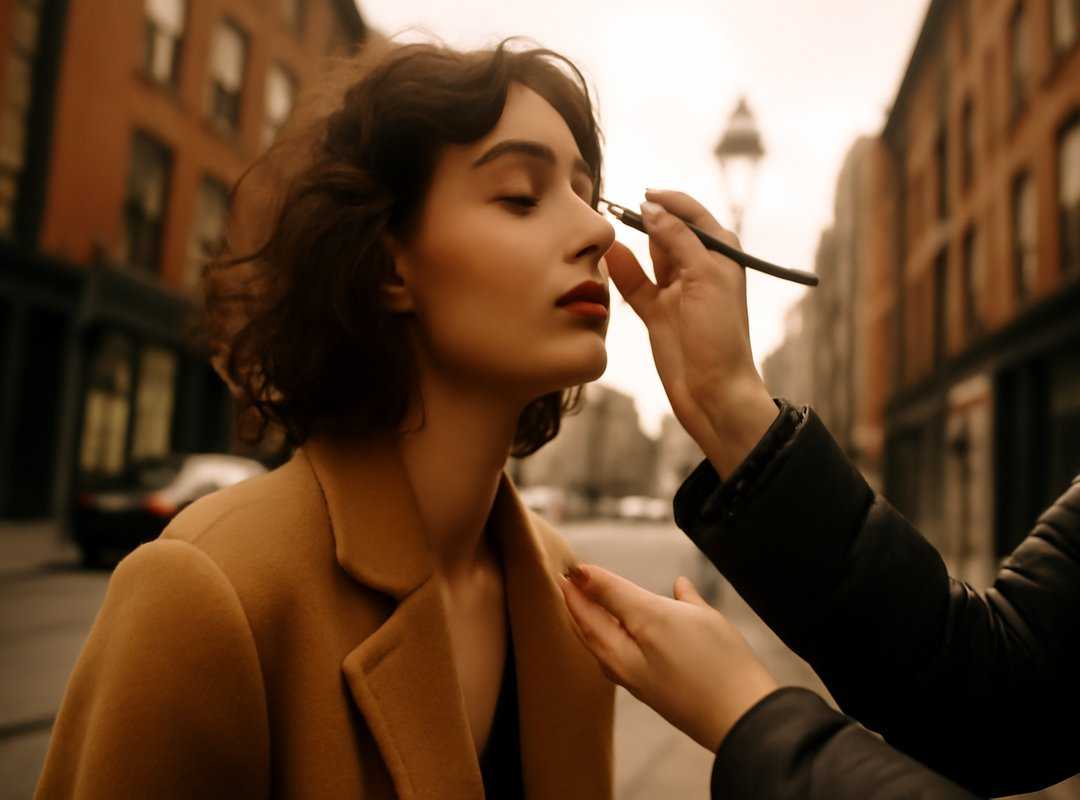
That’s how professional photographers approach it, and it’s how you should too.
The key is making the most of those smartphone cameras photography capabilities.
Most of us use our phones for photography these days. And why not? They’re always in our pockets, ready to capture life’s moments.
Start with the basics: crop and straighten. This isn’t just tidying up. It improves composition, focusing attention where it matters.
A well-composed photo can transform a simple snapshot into a work of art. Next, adjust brightness or exposure. Ever taken a perfect shot only to find out it’s too dark?
Yeah, me too. Brightness fixes that.
Then there’s contrast. It makes your images pop. No one wants a flat, lifeless photo.
It breathes life into the image, highlighting details you might miss otherwise. Lastly, tweak saturation or vibrance. Boost colors naturally (not like a cartoon), because less is more.
Here’s a pro tip: make a small adjustment, then compare it to the original. It’s tempting to go overboard. Resist that urge.
The goal is to boost, not create something unrealistic.
Editing should be simple. Follow this checklist:
- Crop & Straighten
- Brightness/Exposure
- Contrast
- Saturation/Vibrance
Keep it straightforward. Trust me, these small tweaks make a huge difference.
Next-Level Tools: Raise Your Photography
When you’re serious about smartphone cameras photography, a portable tripod or gorillapod is a game-changer. Ever tried capturing a night scene only to end up with a blurry mess? A tripod stabilizes your phone, letting you use a slow shutter speed for sharp, crisp shots even in low light.
And let’s talk about those clip-on lens sets. Honestly, they’re a fun way to spice up your shots. Want a wider view?
Or maybe a macro close-up? These lenses expand your creative options without needing a new phone.
Now, if you’re craving more control, check out apps like Halide for iOS or ProCam X for Android. They offer manual controls and better RAW support. It’s like having a mini DSLR in your pocket.
Snap with Confidence
You now have the power to transform your photos. Understanding your phone’s features is key. Want better results?
Dive into smartphone cameras photography. Try adjusting exposure or capturing during golden hour. Trust me, you’ll see the difference.
Ready for stunning shots? Grab your phone and explore new techniques today.