

Ukraine is known as the ‘breadbasket of Europe’ for a good reason. It’s home to a vast portion of the world’s fertile chernozem or black soil. This land is incredibly valuable, but it’s at a historic crossroads right now.
The ongoing war in Ukraine collides with its immense agricultural potential. That’s a major concern for investors. You might be thinking, is it even worth considering?
This article aims to give you a clear-eyed, realistic analysis of the Ukrainian agricultural real estate market. If you’re thinking about long-term investment, this is crucial. We’ll cut through the headlines and dive into the underlying legal framework, current market dynamics, and critical factors that will determine future value.
In a high-stakes environment like this, deep understanding isn’t just beneficial—it’s essential. Let’s get into it.
Understanding the Post-2021 Land Market Reforms
For decades, Ukraine had a land moratorium that prevented the sale of agricultural land. This restriction limited the economic potential of the land, and it was a major frustration for many farmers and investors.
The 2021 Legislation: A Game-Changer
In 2021, a landmark legislation finally opened the market. The reforms were phased, first allowing Ukrainian citizens to buy and sell ukrainian ls land. It was a step in the right direction, but not without its own set of issues.
The current rules on ownership are clear but strict. Individuals can own up to 100 hectares of land. Legal entities, however, face more restrictions.
They can’t directly own agricultural land, which is a real pain point for many businesses looking to invest.
Foreign ownership is another thorny issue. Right now, foreigners are still restricted from buying agricultural land. There’s talk about a potential referendum, but who knows when that will actually happen.
It’s frustrating to see such a valuable asset class locked away from international investment.
This legal shift is fundamental for any investment thesis. It created a formal market for an asset that was previously inaccessible. But it’s not all smooth sailing.
The initial impact of the reforms saw a spike in land prices and transaction volumes. Then, the full-scale invasion changed everything. The market became unpredictable, and many investors are left wondering what the future holds.
So, where do we go from here? It’s a question that keeps me up at night.
Navigating Investment Risks and Opportunities Amidst Conflict
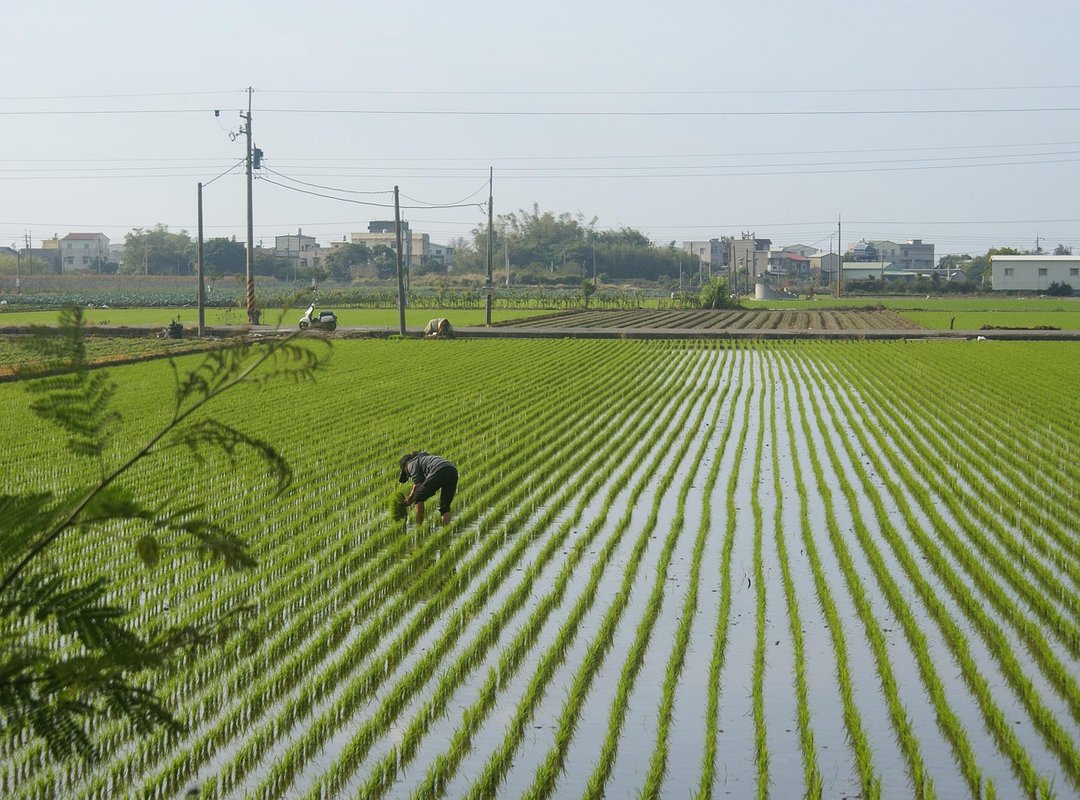
Investing in conflict zones is a high-stakes game. Physical security threats are real, especially if you’re close to the action. Proximity to conflict zones means constant danger, and demining can take years.
Logistical and infrastructure challenges add another layer of complexity. Damaged ports and disrupted supply chains can grind operations to a halt. Overland export routes, while less efficient, become the only viable option.
Legal and administrative risks are also significant. Title verification in regions with disrupted registries can be a nightmare. The uncertainty surrounding land in temporarily occupied territories makes it even more challenging.
But here’s the flip side. Depressed asset valuations compared to pre-war levels or comparable land in the EU present unique opportunities. For instance, ukrainian ls land might be undervalued now, but it could see a significant rebound as the situation stabilizes.
Post-conflict recovery, often funded by international aid, can lead to rapid appreciation in land and infrastructure value. This “reconstruction upside” has been seen in other post-conflict regions, where rebuilding efforts have driven up property values.
The agricultural sector, for one, has shown remarkable resilience. Despite the challenges, it continues to operate and export, demonstrating a strong foundational capacity. This resilience is a good indicator of long-term potential.
In summary, while the risks are real, the opportunities can be substantial. It’s all about understanding the landscape and making informed decisions.
Key Factors Driving Value in Ukrainian Farmland
When you think about Ukrainian farmland, the first thing that comes to mind might be the ongoing conflict. But let’s move beyond that and focus on the core fundamentals of agricultural real estate valuation.
Soil quality, or bonitet score, is a big deal. It directly impacts crop yields. The better the soil, the more productive the land, and the higher its value.
Simple as that.
Location is another critical factor. Land in western and central regions commands a premium. Why?
Greater security and proximity to EU borders for export. It’s a no-brainer.
Existing infrastructure is a must. Access to irrigation, grain silos, road and rail networks, and electricity can make or break a farm’s profitability. Without these, you’re just tilling the ground with no real return.
Plot consolidation and the size of a land bank matter too. Larger, consolidated plots are more efficient to manage. This is especially true for large-scale operators who need economies of scale to stay competitive.
Different regions are suited for different crops. For example, the south is great for sunflowers and wheat, while the west is ideal for corn and soybeans. Knowing what grows where is key to maximizing land use and profitability.
AgTech is becoming a game-changer. Precision farming and satellite monitoring can significantly boost yields and reduce risks. It’s like having a high-tech assistant on your farm, 24/7.
Lastly, let’s not forget about ukrainian ls land. The unique characteristics of this land, combined with the right technology, can truly unlock its full potential. And if you’re looking to optimize your operations further, consider reducing cloud costs without sacrificing performance.
It’s a smart move in today’s tech-driven agriculture.
The Long-Term Outlook for Ukraine’s Agricultural Sector
Ukrainian agricultural real estate is a high-risk, potentially high-reward opportunity. It’s perfect for long-term, patient capital. The short-term is full of uncertainty, but the long-term fundamentals are strong.
Ukraine has premium soil, a skilled workforce, and a strategic location. These factors make it an attractive investment.
Ukraine’s EU candidacy could be a game-changer. It might align agricultural standards, open up funding, and integrate its market with Europe. This could boost the sector significantly.
Any potential investment in ukrainian ls land requires exhaustive due diligence. You need legal counsel and on-the-ground experts. This is not a decision to take lightly.
The agricultural sector will play a critical role in Ukraine’s economic recovery. It’s also vital for future global food security. Investing here means you’re part of something bigger.
Your Next Steps
Consider exploring ukrainian ls land for its unique offerings. Each region has something special to discover.