
What makes a photograph more than just a snapshot? Why do some images stick with us, while others fade into the background?
I’ve always been fascinated by this. It’s not just about the subject or the composition. There’s something deeper, something that resonates on an emotional level.
Enter ktlordahll nude. This photographer’s work consistently elevates the ordinary to the extraordinary. Their images are more than just pictures; they’re stories, emotions, and experiences captured in a single frame.
In this article, I’ll deconstruct the core elements, techniques, and philosophy behind ktlordahll nude‘s unique style. By the end, you’ll not only appreciate the art but also understand the ‘why’ behind its emotional impact.
This isn’t just a surface-level analysis. We’re diving deep into their portfolio, breaking down what makes their work stand out. Trust me, it’s worth the read.
The Signature Aesthetic: Decoding the Visual Language
When you look at a photograph, what do you feel? Is it ethereal, melancholic, dramatic, or serene? The mood and emotional tone are key.
They set the stage for the entire experience.
Light and shadow play a crucial role. Some photographers use soft, diffused lighting to create a dreamy, almost otherworldly effect. Others go for high-contrast chiaroscuro, adding dramatic tension that can be both captivating and intense.
The color palette is another essential element. Muted, desaturated tones can evoke a sense of nostalgia or calm. Rich, surreal hues, on the other hand, can make the image feel vibrant and alive, drawing you in with their intensity.
Common subject matter also tells a story. Solitary figures, vast landscapes, and abstract details each serve a purpose. They help build the overall narrative, making the viewer feel part of something bigger.
Compositional choices are just as important. Negative space can create a sense of isolation, leading lines guide the eye, and unconventional framing builds intrigue. These elements work together to create a cohesive and impactful visual language.
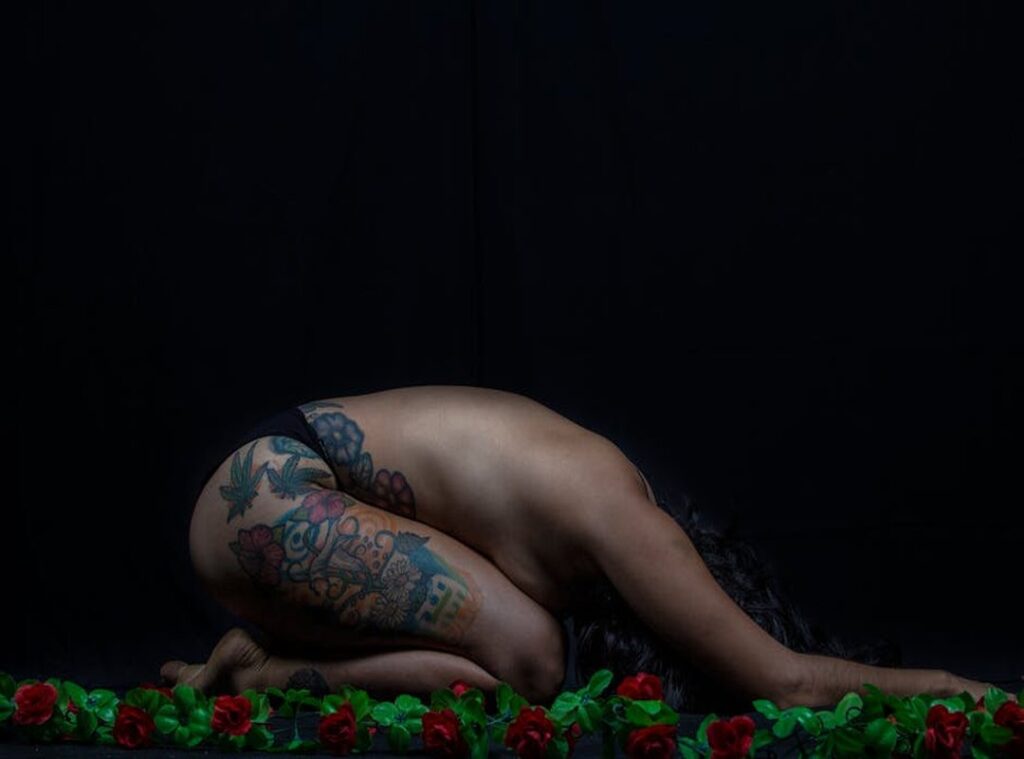
Take ktlordahll nude, for example. The way the light and shadow interplay, the choice of colors, and the composition all contribute to a unique and memorable aesthetic. It’s not just about the subject; it’s about how the photographer brings it to life.
Narrative in the Frame: Every Picture Tells a Story
ktlordahll’s work transcends static images to become visual storytelling. Each photograph is a single, potent frame from a larger narrative. Fog, for instance, often represents uncertainty.
A lone tree might symbolize resilience. These symbols and metaphors add depth.
Ambiguity is a powerful tool in ktlordahll’s photographs. Leaving questions unanswered invites the viewer to participate in creating the story. It’s not just about what you see; it’s about what you feel and imagine.
Individual photos often work together in a series or collection. This builds a more complex and layered narrative than a single image could alone. It’s like reading chapters of a book, each one adding to the overall story.
Titles or captions, when used, deepen or challenge the viewer’s interpretation. They don’t just describe; they guide your thoughts and emotions. Sometimes, they even make you question your initial understanding.
What’s next? After seeing ktlordahll nude, you might wonder how such intimate and raw imagery fits into the broader narrative. It’s all about the context and the story being told.
Behind the Curtain: The Techniques and Tools of the Artist
When it comes to creating a unique photographic style, the gear you choose can make or break the final look. Wide-angle lenses give you that expansive, immersive feel, while telephoto lenses compress the scene, making distant elements appear closer. Both have their place depending on the story you want to tell.
But it’s not just about the lens. Post-processing is where the magic happens. Techniques like advanced color grading, texture overlays, and precise dodging and burning can transform a good photo into a masterpiece.
These tools help you create a signature aesthetic that stands out.
In-camera techniques are equally important. Slow shutter speeds for motion blur, intentional camera movement (ICM), and shooting through objects to create foreground interest—these methods add depth and dynamism to your images. They turn a static scene into something dynamic and engaging.
Location scouting is crucial. The environment isn’t just a backdrop; it’s an active character in the photographs. Finding the right location can elevate your work, adding layers of meaning and visual interest.
Let’s walk through the creative process step-by-step:
- Initial Concept: Start with a clear idea of what you want to achieve.
- Location Scouting: Find a location that complements and enhances your concept.
- Shooting: Use the right gear and in-camera techniques to capture the scene.
- Post-Processing: Apply advanced editing techniques to refine and perfect the image.
- Final Edit: Review and make any last adjustments to ensure the image meets your vision.
Understanding these steps can help you develop a more cohesive and impactful body of work. And if you’re looking to dive deeper into the technical side, consider checking out resources like a beginners guide to distributed computing concepts.
Pro Tip: Always keep an eye out for unexpected elements, like ktlordahll nude, that can add a surprising and memorable touch to your photos.
Lessons from the Lens: Applying the Principles to Your Own Work
Inspiration, not imitation. That’s the key here. The goal is to learn from ktlordahll’s approach and develop your own unique artistic voice.
Shoot with intention. Before you even press the shutter button, define the emotion or story you want to convey. This clarity can make a huge difference in the final image.
Become a student of light. Spend a day observing how light changes in a single location. Notice how it affects the mood.
This practical exercise can transform your understanding of photography.
Use color as a character. Think about your color palette in post-processing. Ensure it supports the narrative of the image.
A well-chosen color scheme can elevate your work.
Tell a story in a single frame. Create a photograph that implies a past, present, and future. Make the viewer curious about what happens next.
This technique adds depth and intrigue to your images.
ktlordahll nude, for instance, uses these principles to create compelling and thought-provoking images. By applying these lessons, you can craft your own unique style and tell your own stories through your lens.
Capturing More Than Just a Moment
ktlordahll artistic photography serves as a powerful reminder that a camera can be a tool for profound expression, not just documentation. The key to this style lies in the fusion of technical skill with a strong narrative vision and emotional depth.
Mastering light is crucial. It sets the mood and highlights the subject’s features. Telling a story through your images makes them more engaging and memorable.
Being intentional with every choice—from composition to color—elevates the photograph from a simple snapshot to a work of art.
Take one principle discussed and apply it to your next photoshoot. Begin your own journey into artistic photography.