

The promise of 5G—from autonomous vehicles to hyper-connected smart cities—is immense, but turning that promise into reality demands more than faster towers and upgraded devices. Building 5g network infrastructure is a complex engineering challenge that requires new architectural models, dense small-cell deployment, edge computing integration, and precise spectrum management. This guide is designed for readers who want clarity on how next-generation connectivity is actually built—not just what it can do. Drawing on deep expertise in network architecture and technology optimization, we break down the essential components, deployment phases, and critical obstacles involved in designing and implementing a resilient, high-performance 5G ecosystem from the ground up.
Deconstructing the 5G Network: Core Components and Architecture
At its heart, 5G New Radio (NR) is the air interface—the part that connects your device to the network. Unlike 4G’s wide coverage approach, 5G leans heavily on small cells (low-powered radio access points that cover small geographic areas) to achieve network densification, meaning more coverage nodes packed closer together. In my view, this is the real game changer. Add Massive MIMO (Multiple Input, Multiple Output—using dozens of antennas instead of a handful) and beamforming (focusing signals directly toward a user instead of broadcasting everywhere), and you get faster speeds with less interference. It’s less “spray and pray,” more precision strike.
Then there’s the 5G Core (5GC). This is where I think the biggest architectural leap happened. Built on a Service-Based Architecture (SBA)—a cloud-native model where network functions act like modular software services—it replaces the rigid 4G EPC (Evolved Packet Core). Compared to EPC, 5GC is elastic and scalable, spinning resources up or down like cloud apps. If you want deeper insight into this shift, explore cloud native networking benefits and implementation strategies.
None of this works without the transport network. Fronthaul and backhaul rely on high-capacity fiber optics—non-negotiable for handling massive throughput across 5g network infrastructure.
Finally, Multi-access Edge Computing (MEC) pushes compute and storage closer to users. By reducing latency (network delay) to milliseconds, it enables AR/VR, remote surgery, and connected vehicles. Personally, I believe MEC is what turns 5G from faster 4G into something transformational.
A Phased Strategic Roadmap for 5G Deployment
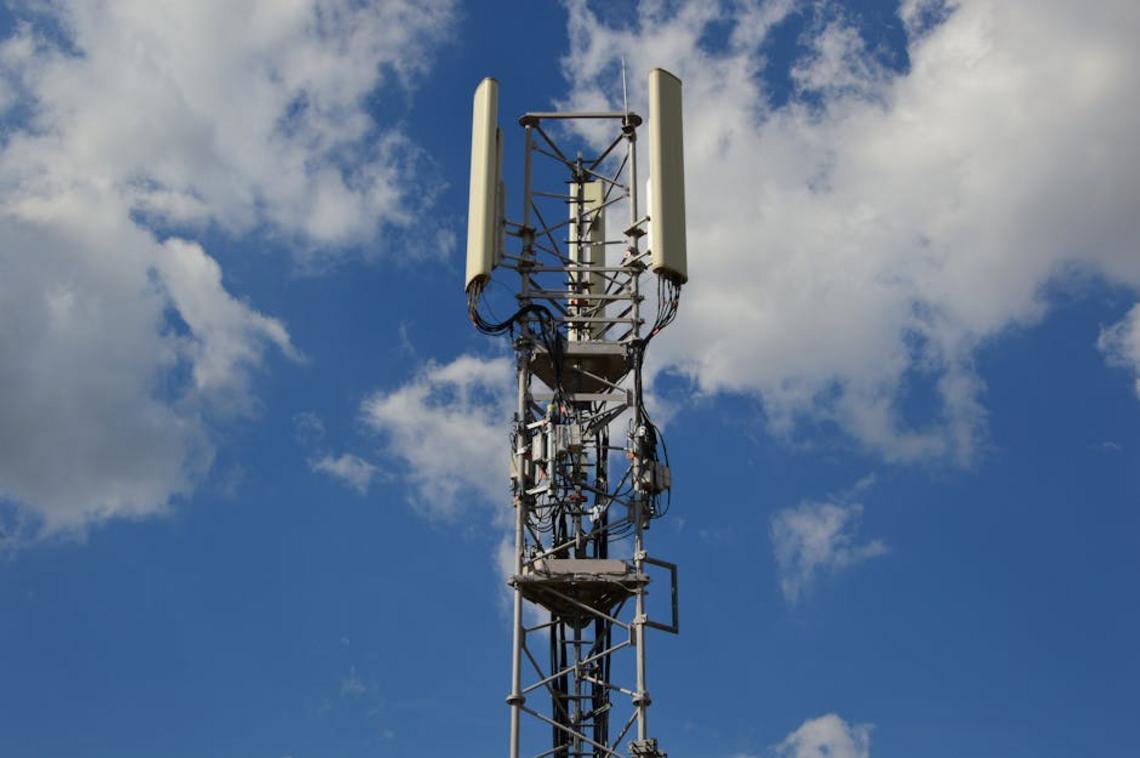
Rolling out 5G isn’t a single switch flip; it’s a coordinated, multi‑phase evolution of 5g network infrastructure that blends engineering precision with regulatory patience (and yes, a lot of paperwork).
-
Phase 1: Spectrum Strategy and Acquisition
Spectrum is the invisible real estate of wireless. Low-band frequencies provide wide coverage but modest speeds; mid-band balances speed and reach; high-band, or millimeter wave (mmWave), delivers ultra-fast throughput in dense zones. Think of it like transportation: highways (low-band), express lanes (mid-band), and hyperloops (mmWave). Some critics argue mmWave is overhyped due to limited range. That’s fair. However, in stadiums and city centers, its capacity is unmatched. Speculation: future dynamic spectrum sharing could blur these tiers entirely. -
Phase 2: Site Acquisition and Densification
5G requires thousands of small cells mounted on lampposts, rooftops, and utility poles. Densification means increasing the number of access points to boost capacity. Opponents often cite aesthetic concerns and local zoning friction. Yet cities like Seoul and Chicago show streamlined permitting accelerates deployment without compromising urban design (GSMA, 2023). -
Phase 3: Network Virtualization (NFV/SDN)
Network Function Virtualization (NFV) runs core functions on standard servers, while Software-Defined Networking (SDN) centralizes traffic control. This reduces hardware costs and boosts agility. Pro tip: operators that virtualize early adapt faster to enterprise demand spikes. -
Phase 4: Integration, Testing, and Optimization
Most launches begin in Non-Standalone (NSA) mode, anchored to 4G LTE, before shifting to Standalone (SA). Rigorous performance and security testing follow. Speculation: AI-driven optimization may soon automate real-time network tuning, making outages feel as outdated as dial-up tones.
Managing the Primary Hurdles of a 5G Rollout
Rolling out 5G isn’t just flipping a switch—it’s a capital marathon. Ericsson estimates global 5G investments will exceed $600 billion by 2027 (Ericsson Mobility Report), largely due to dense small cell deployment, fiber backhaul, and core upgrades. Critics argue telecom giants can easily absorb this. Yet GSMA data shows average returns on invested capital in telecom hover below cost of capital in many regions, making unchecked spending risky. Smart operators mitigate this through:
- Infrastructure sharing agreements
- Phased urban-first deployments
- Cloud-native core upgrades instead of full hardware swaps
Regulatory friction is another bottleneck. In the U.S., small cell siting delays have stretched deployments by months due to zoning disputes (FCC reports). Community engagement programs in cities like Dallas reduced approval times by nearly 30%, proving dialogue works.
Cybersecurity risks also expand as 5g network infrastructure becomes software-defined and distributed. ENISA warns that virtualization increases the attack surface, making a zero-trust model—where no device or user is automatically trusted—essential.
Finally, interoperability remains complex. During early 5G rollouts in South Korea, seamless 4G fallback was critical to maintaining service continuity, especially indoors. Without smooth handoffs, user experience suffers (and dropped calls still annoy everyone).
Unlocking New Revenue Streams and Smart Device Advancements
Network slicing lets operators partition a single 5g network infrastructure into isolated, end-to-end virtual lanes with defined latency, bandwidth, and security parameters. For example, a factory can reserve ultra-reliable low-latency capacity for robotic arms while office Wi‑Fi traffic rides a separate slice (no congestion drama). Benefits include predictable SLAs and premium pricing tiers.
Private 5G networks give enterprises full control. Key features:
- Dedicated spectrum or shared licensing
- On‑site core for data sovereignty
- Custom QoS policies
Campuses and ports gain secure, scalable connectivity tailored to mission‑critical workloads and future growth.
Activating the Next Generation of Innovation
You set out to understand what it truly takes to deploy 5g network infrastructure effectively—and now you have a clearer picture of the strategy, investment, and coordination required. The challenge isn’t just cost; it’s navigating complexity without slowing innovation. Organizations that fail to plan architecturally risk delays, inefficiencies, and missed market opportunities.
The path forward is action. Assess your current network readiness, prioritize phased deployment, and align hardware and software strategies now. Don’t let infrastructure gaps stall your growth. Access our #1 rated innovation alerts and network insights today to accelerate deployment, reduce risk, and stay ahead of the next wave of technological advancement.